
What Quality Of Alcohol Does The Distillation Process Determine?
Treatment options include inpatient programs, where individuals stay at a facility, and outpatient programs, allowing them to live at home while attending therapy sessions. Quality alcohol is defined, in part, by its consistent and accurately labeled alcohol by volume (ABV) levels. This precision ensures consumers know exactly what they’re drinking, whether it’s a 12% ABV table wine or a 40% ABV spirit. Inconsistent ABV levels can indicate poor production control, while mislabeling raises legal and safety concerns. For instance, a craft beer labeled at 5% ABV but actually measuring 7% could lead to unintended intoxication, undermining trust in the brand.
Non-Alcoholic vs. Alcohol-Free: Defines products with no alcohol vs. those with trace amounts (less than 0.5% ABV)
Chances are, your cup or beverage label won’t tell you the answer—but this calculator will. See this drop-down menu for common container sizes and alcohol content for different beverages. Different types of medications may be useful at different stages of treatment to help a patient stop abusing drugs, stay in treatment, and avoid relapse.
Support Groups
- While this may be a difficult conversation, they can provide further testing to determine whether you need professional help for alcohol and drugs.
- This network might include friends, family, support groups, and even mental health professionals who can help you stay accountable and navigate challenges.
- Alcohol abuse treatment can differ from alcoholism treatment because of differences in severity.
- Borderline Personality Disorder (BPD) is marked by intense emotional instability, impulsive behaviors, and difficulty in relationships.
- We provide evidence-based treatment and support to help you no matter where you are currently.
Policymakers can implement evidence-based measures, such as increasing alcohol taxes, restricting advertising, and enforcing stricter age verification, to curb consumption. Non-alcoholic beverages are gaining popularity as a healthier and more inclusive alternative to traditional alcoholic drinks, but understanding the differences between them can be confusing. Primarily, non-alcoholic drinks contain little to no alcohol, typically less than 0.5% ABV (alcohol by volume), making them suitable for those avoiding alcohol for health, religious, or personal reasons. These beverages are crafted using various methods, such as vacuum distillation or brewing processes that halt fermentation early, to retain flavor without significant alcohol content.
These symptoms usually appear within hours of not drinking and may improve only after consuming alcohol again. Their presence points more strongly to alcohol dependence rather than an occasional or situational form of alcohol abuse. In contrast, alcoholism includes a stronger urge to drink, even when it harms your body or relationships. You may notice increased tolerance, cravings, and a need to drink to feel normal, which are hallmarks of alcohol addiction.

Comparing Frequency, Control, and Consequences
- With abuse, you may drink heavily on weekends or during stressful times, but still control alcohol intake.
- Treatment options range from outpatient therapy to residential programs, with medical detox ensuring safe withdrawal.
- It is the standard for many high-proof spirits like bourbon, rum, and whiskey.
- Individuals who abuse alcohol may engage in binge drinking or heavy consumption without necessarily being physically dependent on it.
Early warning signs, such as elevated liver enzymes, are often overlooked until symptoms like jaundice or abdominal swelling appear. Unlike acute injuries, liver disease is a slow, relentless march toward organ failure, demanding lifestyle changes and medical intervention to halt its advance. Ultimately, the line between occasional binge drinking and alcoholism is drawn by dependency. While both behaviors carry risks, only alcoholism involves a physical and psychological need for alcohol. Occasional binge drinkers can mitigate harm through moderation strategies, whereas alcoholics require comprehensive treatment to reclaim their lives. Understanding this difference empowers individuals to make informed choices about their relationship with alcohol.
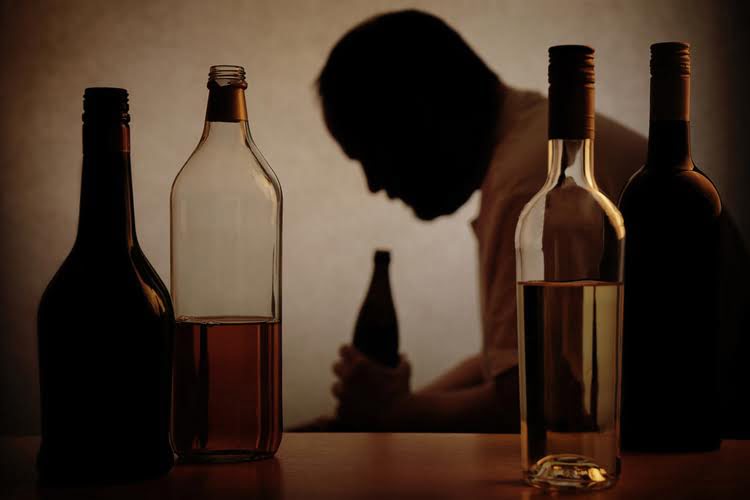
A defining characteristic of alcohol use disorder is a loss of control over drinking. what is alcoholism The person may have a sincere desire to quit or cut back but is unable to do so, even after multiple attempts and experiencing serious consequences. This loss of control is a core symptom of addiction, and it indicates that the brain’s reward and decision-making pathways have fundamentally altered. Individuals who abuse alcohol are not physically dependent, meaning they will not experience significant withdrawal symptoms if they stop drinking. Support systems, including peer support groups like Alcoholics Anonymous, are critical for ongoing recovery, providing a sense of community and accountability. Innovations in policy and treatment access are also crucial, as they can broaden the reach of effective treatments.
Alcohol Abuse and Alcoholism in Women – Understanding the Risks and Getting Help
Alcohol affects your body in many ways, including fatigue, liver strain, changes in appetite, and weakened immune response. If you feel shaky, nauseous, anxious, or restless after skipping alcohol, your what is the difference between alcohol abuse and alcoholism body may have developed chronic alcohol dependence. Signs of alcohol abuse may involve repeated episodes of heavy drinking, often followed by arguments, missed duties, or feelings of regret.
Further investigation, including urine analysis, imaging, and GFR estimation, may be necessary for a comprehensive diagnosis. Remember, the kidneys are remarkably resilient organs, capable of remarkable recovery when given the chance. Heeding the warning signs of elevated creatinine and BUN can be the difference between a future of dialysis and one of renewed renal health. Avenues Recovery has helped countless addicts suffering from Depression and alcoholic addiction to recover fully.
Gender Differences: Comparison of alcoholism percentages between men and women globally
- If you or someone you know is living with addiction, you may feel overwhelmed and out of control.
- Inpatient alcohol rehab provides 24/7 medical supervision and intensive therapy.
- Consider factors such as accreditation, staff credentials, facility amenities, and aftercare programs.
- The highest proof alcohol commercially available is typically around 190–192 proof, which corresponds to 95% ABV.
- For social gatherings, offer non-alcoholic alternatives that feel special, like mocktails or infused waters.
- Focus on open, non-confrontational communication and let them know you care.
The question of which religion has the most alcoholics is complex and sensitive, as it intersects with cultural, social, and individual factors rather than being directly tied to religious doctrine. Alcohol consumption and addiction vary widely across different religious groups, often influenced by traditions, prohibitions, and societal norms. For instance, religions like Islam and certain Christian denominations (e.g., Mormons and some Evangelicals) strictly prohibit alcohol, leading to lower rates of alcoholism among adherents. Ultimately, alcoholism is a multifaceted issue influenced by personal, environmental, and genetic factors, making it inaccurate to attribute it primarily to religious affiliation. Understanding these changes is critical for healthcare providers and patients alike.
What is the most common addiction?
Alcohol’s bite often acts as a natural pacing mechanism, encouraging slower sipping. Without it, non-alcoholic beverages can feel less satisfying for those accustomed to the ritualistic aspects of drinking. To counteract this, consider serving non-alcoholic options in smaller, more elegant glassware to elevate the experience.
Aging isn’t just about time—it’s about the interaction between alcohol, barrel, and environment, a process that cheaper brands often shortcut. Understanding Hinduism’s nuanced view on alcohol requires moving beyond simplistic categorizations. It’s a religion that acknowledges the potential for both sacred and destructive experiences with alcohol, leaving the ultimate decision to the individual’s conscience and circumstances. This complexity reflects the broader human struggle with substances, where cultural, spiritual, and personal factors intertwine in a delicate dance. The correlation between Hinduism and alcoholism is difficult to quantify due to the religion’s diversity and the lack of comprehensive studies.
Islam’s Prohibition Impact: Explores how Islamic teachings on alcohol affect addiction rates in Muslim communities
For those seeking addiction treatment for themselves or a loved one, our calls are confidential and are available for 24/7 help. At Better Addiction Care, we make finding Alcoholics Anonymous meetings simple through our Find AA meetings locator tool, which https://supaair.com/fetal-alcohol-spectrum-disorder-fasd-whnau-whina/ provides comprehensive listings by location, time, and meeting type. Our platform allows you to search for open, closed, speaker, and specialized meetings in your area, helping connect you with local support groups that fit your schedule and recovery needs. The addiction recovery and rehabilitation experts at Positive Sobriety Institute are standing by 24/7 to answer your questions about our addiction treatment and rehabilitation program.